
grey laminated glass
Understanding Level Suppliers in Supply Chain Management In today’s globalized economy, the concept of suppliers plays a crucial role in the success and efficiency of any business. Among the various categories of suppliers, level suppliers are particularly significant, as they represent different tiers in the supply chain. Understanding level suppliers, their roles, and how they impact businesses is essential for anyone involved in supply chain management. What are Level Suppliers? Level suppliers are categorized based on their proximity to the manufacturer or end-user in the supply chain. They are often classified into three levels 1. First-Tier Suppliers These are direct suppliers who provide materials or components to manufacturers. For instance, if a car manufacturer sources tires directly from a tire manufacturer, the tire supplier is considered a first-tier supplier. 2. Second-Tier Suppliers These suppliers provide products or materials to first-tier suppliers. Using the car manufacturing example, if the tire manufacturer sources rubber from a rubber processor, that rubber processor is a second-tier supplier. 3. Third-Tier Suppliers Often further removed from the end manufacturer, these suppliers provide raw materials or components to second-tier suppliers. In our example, if the rubber processor sources natural rubber from plantations, then those plantations constitute third-tier suppliers. This tiered system helps businesses manage their relationships with suppliers more effectively, allowing them to understand the complexities of their supply chains and the interconnections between different supplier levels. Importance of Level Suppliers 1. Cost Management By identifying and managing levels of suppliers, businesses can better control costs. First-tier suppliers may charge more for their goods, but they often provide higher quality or more specialized products. By examining the entire supply chain, companies can find ways to reduce costs without sacrificing quality. level supplier 2. Quality Assurance The level of a supplier often directly impacts the quality of the finished product. Manufacturers must ensure that not only first-tier suppliers meet quality standards but also that second- and third-tier suppliers do as well. This can be achieved through supplier audits and assessments, ensuring that quality is maintained throughout the supply chain. 3. Risk Management Understanding supplier levels aids in risk management. Disruptions can occur at any level of the supply chain, so being aware of the entire network of suppliers helps businesses prepare for potential issues. For example, if a natural disaster impacts third-tier suppliers, it may affect first-tier suppliers, and consequently, the manufacturer. Being aware of these levels allows companies to diversify their supplier base, reducing dependency on single suppliers and mitigating risk. 4. Improving Collaboration Effective collaboration with suppliers at all levels can lead to innovation and improved processes. By fostering strong relationships with first, second, and third-tier suppliers, companies can encourage new ideas and solutions, leading to enhanced products and services. 5. Sustainability As sustainability becomes increasingly important in today’s market, companies must consider the practices of their suppliers at all levels. Understanding where materials come from allows firms to ensure they are sourcing sustainably, thereby improving their overall environmental impact. Challenges in Managing Level Suppliers While the benefits of managing level suppliers are numerous, challenges do exist. Communication can become complex as the number of supplier tiers increases, and ensuring compliance with standards at all levels can be difficult. Additionally, businesses often struggle with transparency in their supply chains, making it hard to track the origins of materials and the practices of all suppliers involved. Moreover, geopolitical issues, trade policies, and fluctuating market conditions can further complicate supplier relationships. Adopting technologies such as blockchain can help improve transparency and traceability in the supply chain, but these innovations also require investment and training. Conclusion In conclusion, understanding level suppliers is vital for creating an efficient and resilient supply chain. By categorizing suppliers, businesses can better manage costs, quality, risks, and sustainability practices. While challenges exist, the benefits of effectively managing level suppliers far outweigh the potential drawbacks. As the business landscape continues to evolve, organizations that prioritize and streamline their relationships with suppliers at all levels will be better positioned to thrive in an increasingly competitive environment.
about
grey laminated glass
Explore the critical role of butterfly valves in modern industrial systems and discover how Storaen (Cangzhou) International Trading Co. delivers innovative solutions. # Introduction to Butterfly Valves The butterfly valve , often referred to as a throttle valve, plays a vital role in water supply, drainage, and industrial piping systems. These valves are designed to regulate flow by using a disc that rotates within the pipe, offering a compact and efficient solution for controlling fluid dynamics. As industrial technology advances, the structural and performance demands of butterfly valves have evolved, necessitating careful consideration of factors such as working conditions, materials, and connection methods. # Key Features and Advantages of Butterfly Valves Butterfly valves are celebrated for their simplicity, cost-effectiveness, and ease of maintenance. Their design allows for quick operation, making them ideal for applications requiring frequent flow adjustments. Additionally, modern butterfly valves are engineered to withstand a wide range of pressures and temperatures, ensuring reliability in diverse environments. Key advantages include: Compact Design: The streamlined structure reduces space requirements compared to other valve types. Low Maintenance: Minimal moving parts reduce the likelihood of mechanical failure. Cost Efficiency: Affordable pricing and long service life make them a popular choice for industrial and commercial applications. # Types of Butterfly Valves and Their Applications Butterfly valves come in various configurations, each tailored to specific industrial needs. Understanding the butterfly valve types and their applications is crucial for selecting the right solution. Common types include: Centerline Butterfly Valves: Ideal for low-pressure systems, these valves feature a disc positioned at the center of the pipe, offering a tight seal. Resilient Seated Butterfly Valves: Designed for higher pressure applications, these valves use a flexible seat to enhance sealing performance. High-Performance Butterfly Valves: Engineered for extreme conditions, these valves incorporate advanced materials and sealing technologies for industrial-grade reliability. Applications span across water treatment plants, HVAC systems, chemical processing, and more. For a detailed breakdown of butterfly valve types and applications , visit the official product page. # Technical Specifications and Design Considerations When selecting a butterfly valve, it is essential to evaluate technical specifications that align with the operational requirements of the system. Key parameters include: Parameter Details Pressure Rating Varies from 150 psi to 2500 psi depending on the model Temperature Range -20°C to 200°C (standard), with specialized options for extreme conditions Materials Stainless steel, cast iron, and alloy options for corrosion resistance Connection Types Flanged, wafer, and lug connections for flexible integration Actuation Methods Manual, electric, pneumatic, and hydraulic actuators available These specifications ensure that butterfly valves can be customized to meet the unique demands of various industries. For a comprehensive overview of butterfly valve wholesale options, explore the product catalog. # Storaen (Cangzhou) International Trading Co.: Industry Leadership As a leading supplier of industrial components, Storaen (Cangzhou) International Trading Co. has established itself as a trusted provider of high-quality butterfly valves. With a focus on innovation and customer-centric solutions, the company caters to a global clientele across sectors such as water management, chemical processing, and energy. Their commitment to excellence is reflected in the rigorous quality control processes that ensure every product meets international standards. Storaen’s expertise in sourcing and distributing industrial equipment positions it as a reliable partner for businesses seeking durable and efficient valve solutions. By staying ahead of technological advancements, the company continues to drive industry progress while maintaining a strong emphasis on sustainability and operational efficiency. # Industry Standards and Regulatory Compliance Butterfly valves must adhere to stringent industry standards to ensure safety and performance. While the search for NIST (National Institute of Standards and Technology) references encountered an error, it is widely recognized that compliance with standards such as NIST guidelines is critical for industrial equipment. These standards address aspects like material integrity, pressure testing, and dimensional accuracy, which are essential for reliable valve operation. Storaen (Cangzhou) International Trading Co. ensures that all products comply with relevant international regulations, including ISO and ASME standards. This commitment to compliance underscores their dedication to delivering products that meet the highest quality benchmarks. # Conclusion: Choosing the Right Butterfly Valve Solution Butterfly valves are indispensable components in modern industrial systems, offering a balance of performance, cost-effectiveness, and adaptability. By understanding the factors that influence their selection—such as working conditions, materials, and connection methods—businesses can make informed decisions that optimize their piping systems. Storaen (Cangzhou) International Trading Co. continues to lead the market by providing innovative solutions tailored to the evolving needs of industries worldwide. For more information on butterfly valves for sale and to explore the full range of products, visit the official website of Storaen (Cangzhou) International Trading Co. # References Storaen (Cangzhou) International Trading Co. - Butterfly Valves National Institute of Standards and Technology (NIST) (Note: The search for specific NIST references related to butterfly valves encountered an error, but the organization remains a key authority in industrial standards.)
-

High quality industrial productsagement

High quality industrial products
View Details -

Meet the diverse needs of customers

Meet the diverse needs of customers
View Details -

Strict quality control

Strict quality control
View Details -

Top raw materials

Top raw materials
View Details -

Trusted supplier

Trusted supplier
View Details
Our application

news and information
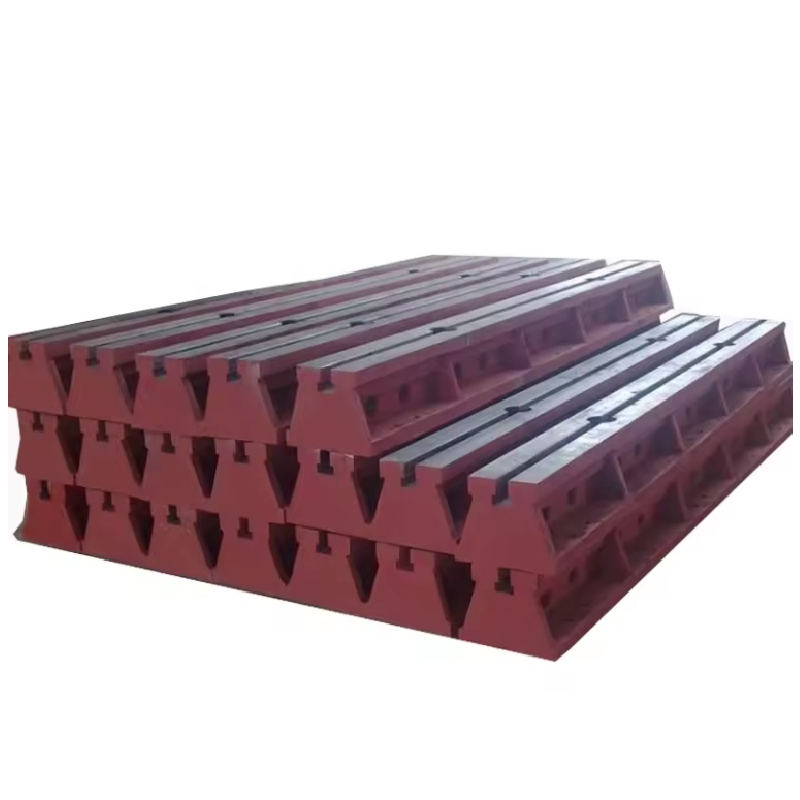
water valve 1 2
Understanding Water Valve 1-2 Functionality and Applications Water valves are essential components i
Van cổng
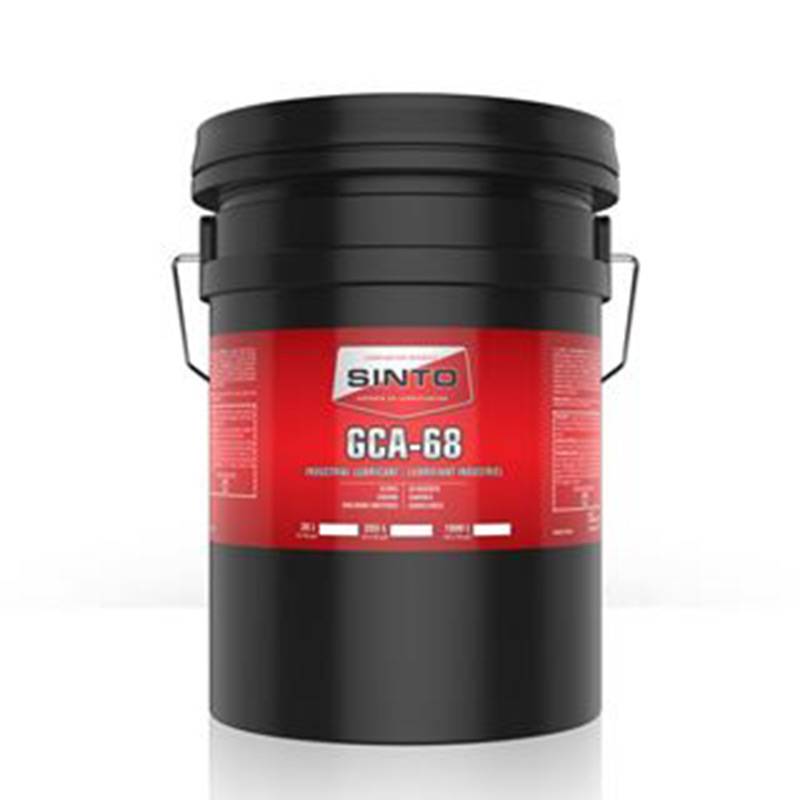
Van cổng, hay còn được gọi là van xẻng, là một trong những thiết bị quan trọng trong hệ thống đường
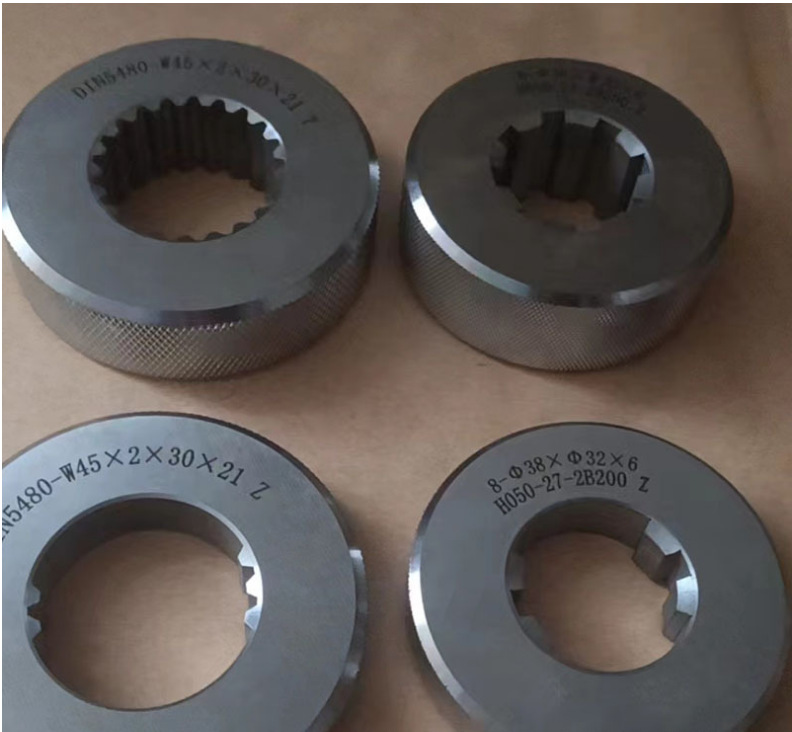
Y-type Strainer Valve Design and Applications in Fluid Management Systems
Understanding Y-Type Strainer Valves A Comprehensive Overview In various industrial and commercial a
 English